
Introduction
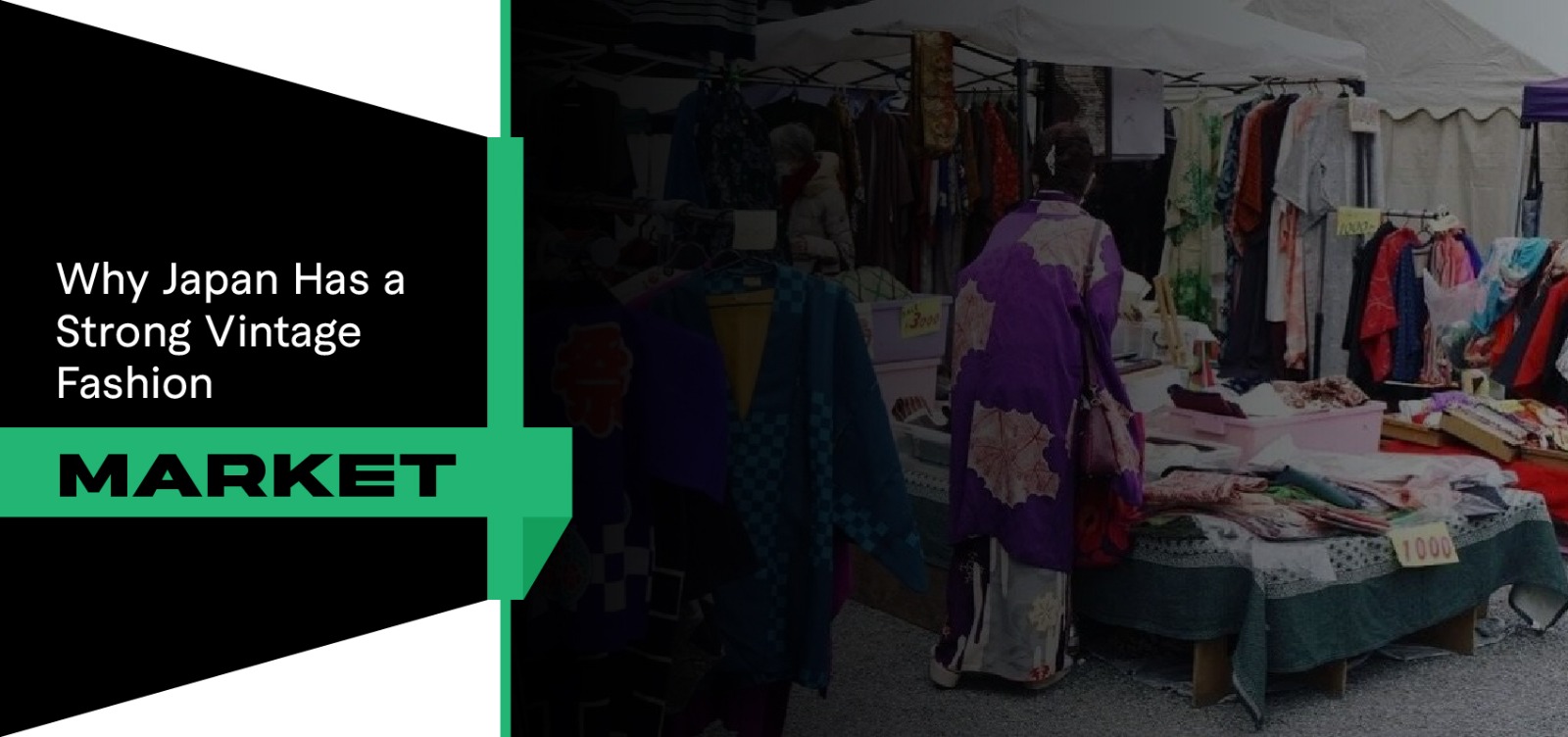
Japan has developed one of the most influential vintage fashion markets in the world. From small curated stores to large resale businesses, vintage apparel has become deeply connected with Japanese fashion culture. For wholesale buyers and importers, understanding how the Japan vintage market works is important when sourcing products and selecting suppliers.
The demand for carefully selected garments, retro fashion, and reusable apparel continues to grow across the country. This is why working with a reliable vintage clothing supplier in Japan has become increasingly important for businesses supplying the Japanese resale market.
Understanding Japan’s Vintage Fashion Culture
Unlike many resale markets that focus mainly on affordability, Japan’s vintage clothing industry is heavily driven by fashion identity and product uniqueness.
Consumers in Japan often value:
- Individual fashion styles
- Era-specific clothing
- Quality fabrics and stitching
- Limited-availability apparel
Vintage garments are commonly viewed as fashion pieces rather than simply used clothing. This difference shapes how products are sourced, graded, and sold throughout the market.
Why Vintage Clothing Is Popular in Japan
Several factors have contributed to the rapid growth of vintage fashion in Japan.
Interest in Unique Fashion
Japanese consumers often prefer clothing that stands out from mass-produced retail fashion. Vintage apparel provides styles and designs that are difficult to find in modern collections.
Sustainability Awareness
The resale and reuse of clothing align with growing sustainability awareness among younger consumers and fashion-focused buyers.
As interest in circular fashion increases, the demand for mix vintage clothing continues to expand.
Strong Resale Culture
Japan has a well-established second-hand retail environment, including thrift stores, curated vintage shops, and online resale platforms.
This creates consistent demand for wholesale vintage inventory.
How the Japan Vintage Market Operates
The Japanese vintage market is structured differently from many general second-hand clothing markets.
Buyers often prioritize:
- Product cleanliness
- Fabric quality
- Fashion relevance
- Brand recognition
- Consistent sorting
Because expectations are higher, suppliers must maintain stricter quality control processes before export.
This is why experienced vintage clothing wholesale suppliers play an important role in the supply chain.
What Is Mix Vintage Clothing?
Mix vintage clothing refers to assorted vintage garments packed together in bulk wholesale shipments.
These shipments may include:
- Retro jackets
- Denim apparel
- Vintage t-shirts
- Casual wear
- Fashion-focused mixed garments
Wholesale buyers often purchase mixed loads to diversify inventory and serve different customer preferences within the Japanese vintage market.
How Vintage Clothing Is Prepared for Japanese Buyers
A professional vintage clothing supplier in Japan follows structured sourcing and preparation methods to maintain shipment consistency.
Sourcing
Vintage garments are collected through verified donation and recycling channels.
Filtering
Unsuitable or low-quality items are removed before sorting begins.
Sorting & Categorization
Clothing is organized based on type, fashion relevance, and usability.
Quality Checking
Each batch is reviewed to ensure garments meet wholesale resale expectations.
This process helps buyers receive more reliable inventory for retail and resale operations.
Common Challenges in the Japan Vintage Market
Inconsistent Product Quality
Poor sorting can lead to shipments with damaged or low-value garments.
Reliable suppliers minimize this risk through controlled grading systems.
Lack of Fashion-Relevant Pieces
Some suppliers mix modern fast-fashion items with vintage apparel, reducing resale value.
Experienced suppliers apply stricter filtering to maintain authenticity.
Irregular Bulk Supply
Vintage businesses require a stable inventory flow to maintain retail operations.
This is why buyers often prefer long-term partnerships with dependable exporters.
Why Wholesale Buyers Need Reliable Suppliers
For businesses targeting the Japanese resale industry, supplier consistency directly impacts profitability.
A dependable vintage clothing supplier in Japan helps buyers by providing:
- Stable bulk inventory
- Clear sorting standards
- Export-ready shipments
- Better product consistency
These factors reduce operational risk for wholesalers and resale businesses.
Japan’s Influence on Global Vintage Fashion
Japan has become internationally recognized for its appreciation of vintage apparel and resale culture.
Many global fashion trends are connected to:
- Retro denim
- Oversized vintage wear
- Classic Americana fashion
- Reworked vintage apparel
have gained popularity through Japanese fashion influence.
This continued demand strengthens the long-term potential of vintage clothing wholesale in the region.
Frequently Asked Questions
Why is vintage clothing popular in Japan?
Vintage clothing is popular in Japan because consumers value unique fashion, quality garments, and sustainable shopping practices.
What is mix vintage clothing?
Mix vintage clothing refers to assorted vintage garments supplied in bulk wholesale shipments for resale businesses and retailers.
Does Japan have a strong resale fashion market?
Yes. Japan has a well-established vintage and second-hand fashion industry supported by retail stores, resale platforms, and fashion-focused consumers.
What do Japanese buyers look for in vintage clothing?
Buyers typically focus on quality, cleanliness, style relevance, and consistent sorting standards.
Why is supplier consistency important in vintage clothing wholesale?
Consistent supply helps buyers maintain inventory quality, customer trust, and stable resale operations.