
Introduction
Industrial wiping rags play a vital role in manufacturing, maintenance, and equipment cleaning operations. Businesses across automotive, engineering, and industrial sectors rely on these reusable cloth materials for daily cleaning tasks. Understanding how industrial wiping rags are used helps buyers select the right materials for operational efficiency and cost control.
Companies sourcing from a reliable industrial wiping rags supplier often prioritize absorbency, durability, and consistent bulk supply.
What Are Industrial Wiping Rags?
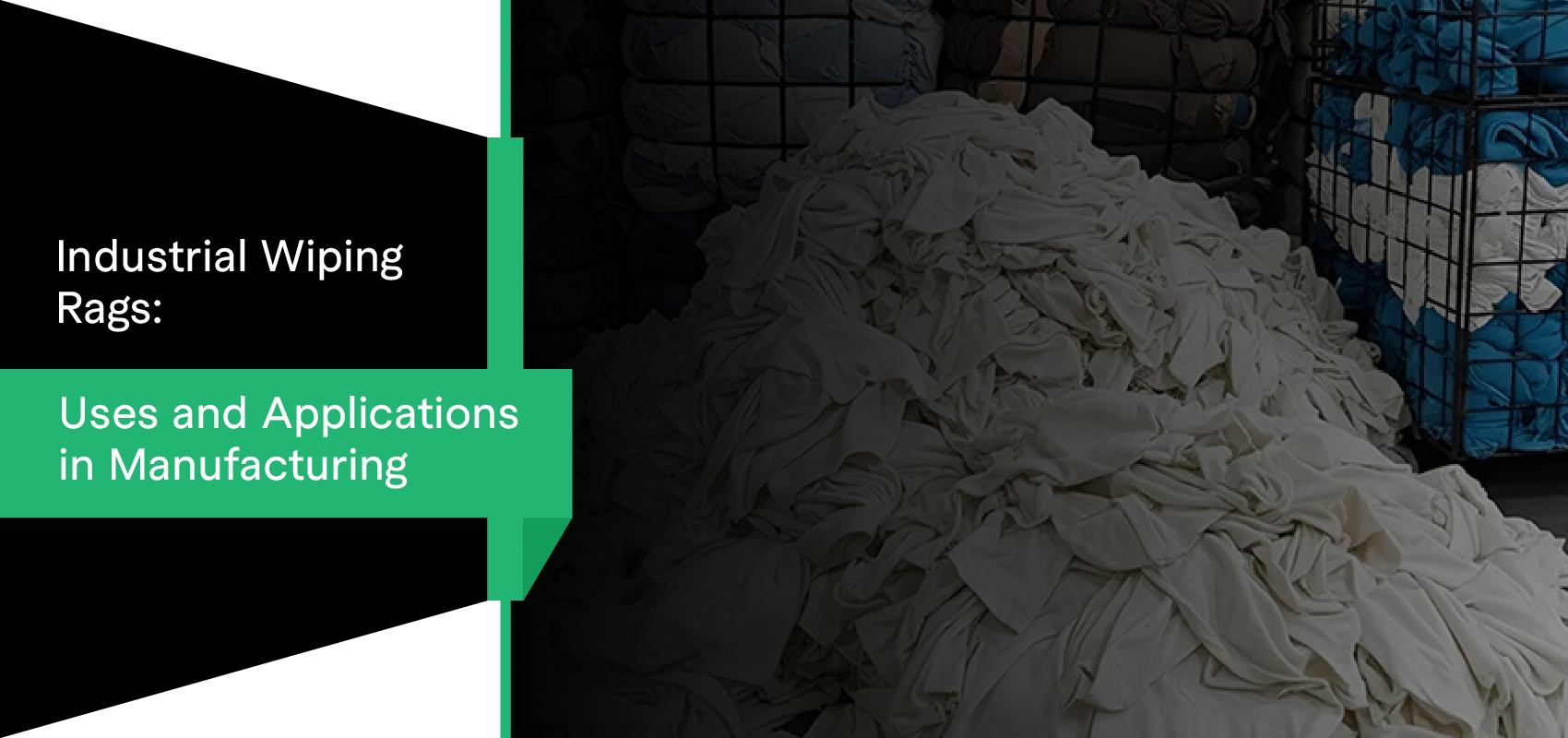
Industrial wiping rags are reusable cloth materials made from recycled textiles such as cotton garments, towels, and fabric scraps. These materials are processed and repurposed for industrial cleaning purposes.
Common characteristics include:
- High absorbency
- Strong fabric durability
- Reusable cleaning capability
- Cost-effective maintenance solutions
Because they are produced from recycled textiles, wiping rags also support sustainable industrial practices.
Common Industrial Uses of Wiping Rags
Machinery Cleaning
Factories frequently use wiping rags to remove grease, oil, and dust from equipment surfaces. Their absorbent nature allows workers to clean machinery without leaving lint or residue.
Surface Preparation
Before painting or coating metal surfaces, workers use wiping rags to remove oil and debris. This ensures proper surface bonding and improved product quality.
Automotive Maintenance
Automotive workshops depend heavily on wiping rags for cleaning engine parts, tools, and work surfaces exposed to grease or lubricants.
General Maintenance Operations
Maintenance teams use wiping rags for routine cleaning tasks such as wiping tools, removing spills, and maintaining clean work environments.
Types of Industrial Wiping Rags
Suppliers usually offer several categories depending on fabric type:
Cotton Wiping Rags
Highly absorbent and commonly used for oil and grease cleaning.
Mixed Fabric Rags
Cost-effective options made from blended textiles.
T-shirt Wiping Rags
Soft, lint-free cloth often used for precision cleaning.
Each category serves different industrial requirements.

Why Industries Prefer Recycled Wiping Rags
Industrial businesses prefer recycled wiping cloths because they offer:
- Lower operational cost compared to disposable materials
- Reusability for multiple cleaning cycles
- High absorbency for liquid removal
- Sustainable waste reduction benefits
These advantages make wiping rags essential in industrial supply chains.
Export Supply and Wholesale Distribution
Bulk wiping rags are commonly supplied to international buyers through export-oriented suppliers. A dependable industrial wiping rags exporter ensures that shipments meet industrial usage standards and are packed efficiently for large-scale buyers.
Wholesale shipments are typically packed in compressed bales or sacks to maximize container space.
Common Challenges Buyers Should Consider
When sourcing wiping rags, buyers should evaluate:
- Fabric consistency
- Absorbency quality
- Lint levels
- Packing standards
Low-quality materials may tear quickly or fail to absorb liquids effectively.
FAQs
What industries commonly use industrial wiping rags?
Manufacturing, automotive workshops, engineering facilities, and maintenance operations all rely on wiping rags for cleaning tasks.
Are wiping rags reusable?
Yes. Most industrial wiping rags are designed for repeated use until the fabric eventually wears out.
What fabric works best for wiping oil and grease?
Cotton-based wiping rags usually offer the best absorbency for oil-based cleaning tasks.
Are wiping rags environmentally friendly?
Because they are produced from recycled textiles, wiping rags help reduce textile waste and support sustainable industrial practices.
Conclusion
Industrial wiping rags remain one of the most practical cleaning materials used across manufacturing and maintenance environments. Their absorbency, durability, and cost efficiency make them essential for industrial operations worldwide. Businesses sourcing bulk wiping rags benefit from reliable suppliers who maintain consistent fabric quality and export-ready packing standards.