
Introduction
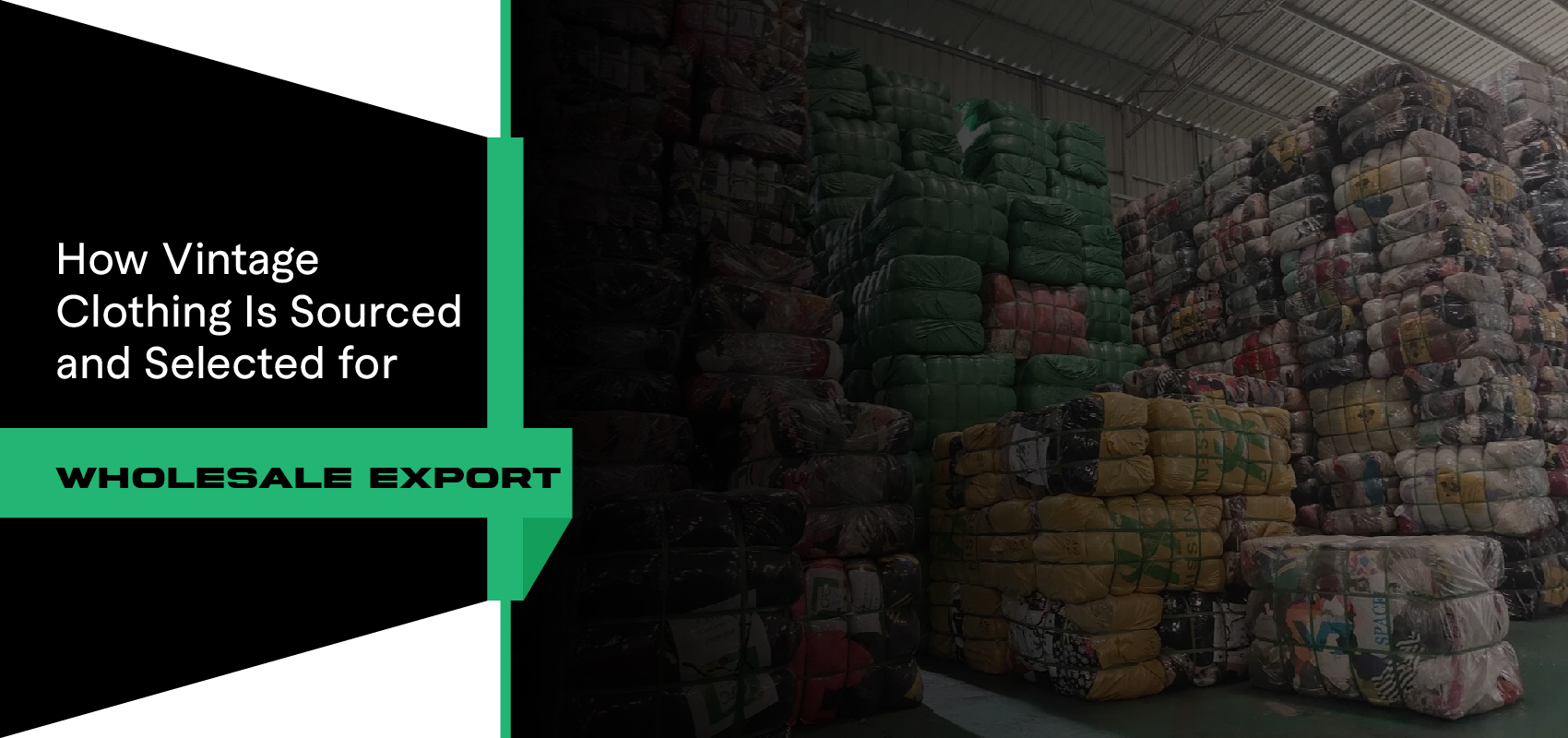
Vintage clothing sourcing is a specialized process that differs significantly from the general second-hand apparel trade. For buyers targeting Thailand’s resale and boutique markets, understanding how vintage clothing is sourced and selected for wholesale export ensures better quality control and stronger resale value. Businesses working with a professional vintage clothing supplier should evaluate sourcing standards carefully before placing bulk orders.
What Makes Vintage Different from Used Clothing?
Vintage clothing typically refers to garments from specific eras, often 20 years or older, that retain stylistic or collectible value. Unlike standard used apparel, vintage items are selected based on:
- Era
- Brand identity
- Fabric quality
- Design relevance
- Cultural demand
This makes sourcing more selective and labor-intensive.
Vintage Clothing Sourcing Channels
Professional suppliers source vintage stock through:
- Donation streams
- Textile recyclers
- Estate collections
- Bulk second-hand imports
- Private collectors
Not all used clothing qualifies as vintage. Only items meeting condition and style standards move forward in the selection process.
Selection and Screening Process
After sourcing, garments go through detailed screening:
- Removal of damaged items
- Fabric integrity checks
- Label and brand verification
- Era-based classification
- Trend relevance evaluation
Thailand buyers often prioritize items suitable for boutique resale rather than bulk market stalls.
Era-Based Sorting and Categorization
Vintage garments are typically categorized by decade or style:
- 80s and 90s streetwear
- Denim and workwear
- Graphic tees
- Retro dresses and outerwear
Consistent categorization improves resale planning and pricing strategies.
Quality Standards for Wholesale Export
Before packing, selected vintage items undergo a final inspection for:
- Structural damage
- Permanent stains
- Missing components
- Fabric deterioration
Buyers reviewing a vintage clothing supplier for Thailand wholesale buyers should ensure that grading definitions are clear and consistent.
Packing and Export Preparation
Vintage clothing is typically packed:
- By category
- By weight
- Or by a curated bundle
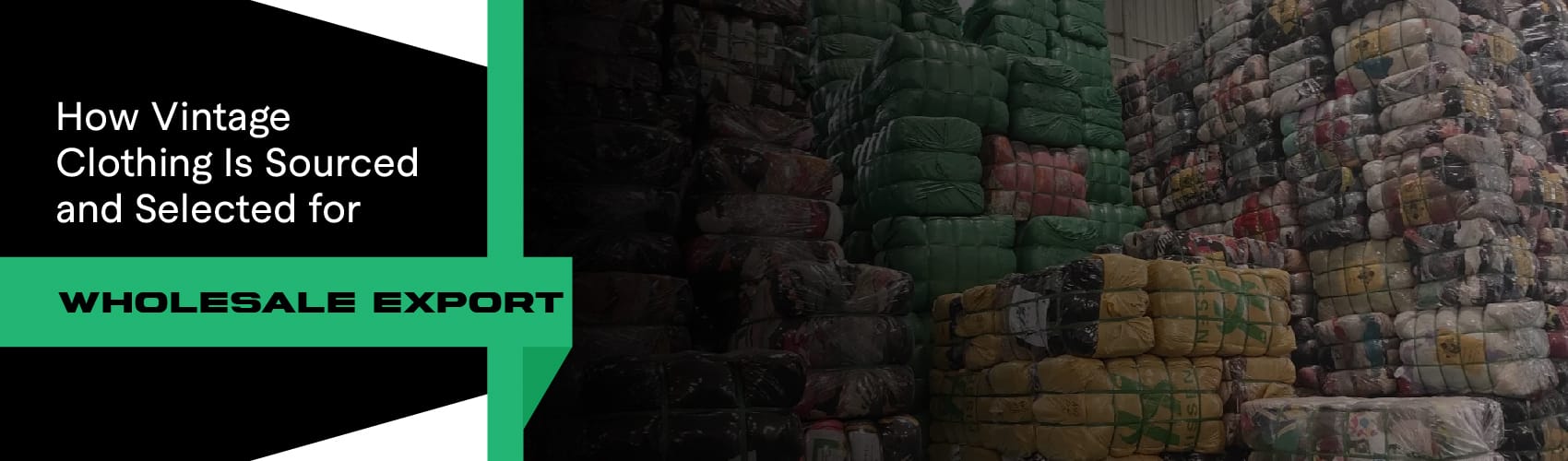
Unlike standard used clothing bales, vintage shipments often require careful handling to protect higher-value items.
Common Sourcing Challenges
- Inconsistent era identification
- Fake brand labeling
- Overestimated garment value
- Limited volume availability
Professional screening reduces these risks significantly.
FAQs
Is vintage clothing more expensive than regular used clothing?
Yes. Due to selective sourcing and higher resale demand, vintage clothing generally carries a higher wholesale price.
Can buyers request specific decades or categories?
Many suppliers allow decade-based or category-specific orders, depending on stock availability.
How is vintage clothing graded?
Grading focuses on condition, authenticity, and resale appeal rather than only wear level.
Why is consistency important in vintage wholesale?
Boutique resale markets depend on predictable quality. Inconsistent sourcing damages buyer reputation.
Conclusion
Vintage clothing sourcing requires careful screening, era identification, and condition control before wholesale export. Buyers targeting Thailand’s resale market benefit from understanding how garments are selected and categorized. Working with a reliable vintage clothing supplier ensures consistency, protects margins, and supports long-term growth in the vintage apparel trade.